
The Popularity of Estate Sales in an Era of Rising Prices
With rising consumer prices, higher interest rates, and ongoing increases in everyday costs like groceries and gas, many households are becoming more aware of the value tied up in what they already own. In this environment, estate sales have become an increasingly practical way to convert unused household items into meaningful returns.
Unlike retail markets that fluctuate with tariffs, supply chains, and new production costs, estate sales operate in the secondhand economy—where demand is driven by reuse, affordability, and local buying interest. As a result, they tend to remain steady even when broader retail prices rise.
This shift has also increased buyer activity. Many people now turn to estate sales to furnish their homes, and find quality goods at lower prices. Reuse, or buying secondhand, is a wonderful alternative to paying increasing premiums for newly manufactured items.
Despite this, one of the most common hesitations we hear from our clients is: “We don’t think we have enough for an estate sale.”
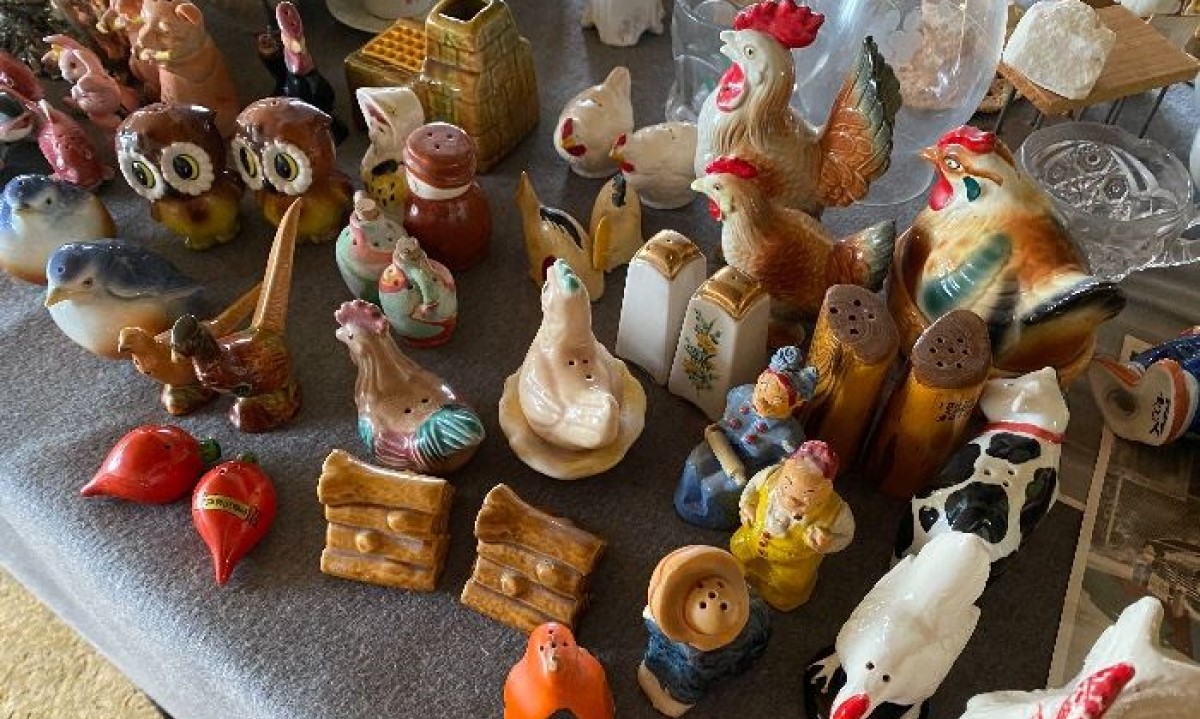 While every situation is unique, there are several common mistakes that can lead to lost time, unnecessary stress, and reduced financial return.
At our company, we’ve been helping families with estate sales and downsizing transitions since 2010, supporting hundreds of clients across the Seattle area in organizing, valuing, and managing household contents during major life changes. Over time, we’ve seen how the right approach can make a difficult process feel far more manageable and less overwhelming.
From our experience, here are seven of the most important mistakes to avoid.
Estate sales are not defined by overflowing homes or rare antiques. They are defined by a broad mix of everyday items that still hold strong demand in today’s resale market.
If you’re unsure whether your situation qualifies, a professional assessment is often the simplest way to understand what’s possible.
If you’re unsure whether an estate sale is the right fit, the best first step is a complimentary estate evaluation. Most families are surprised by how much value and demand exists once items are professionally assessed.
There is no pressure or obligation—just a clear understanding of what’s sellable, what the process would look like, and whether an estate sale makes sense for your situation.
You can schedule a free consultation by calling us at (206) 679-5281 or reach out to us online!